
Watch Winders

Watch Winders

Watch Winders

Watch Winders

Is an authorized Retailer for all brands
 featured in the Watch Winders collection

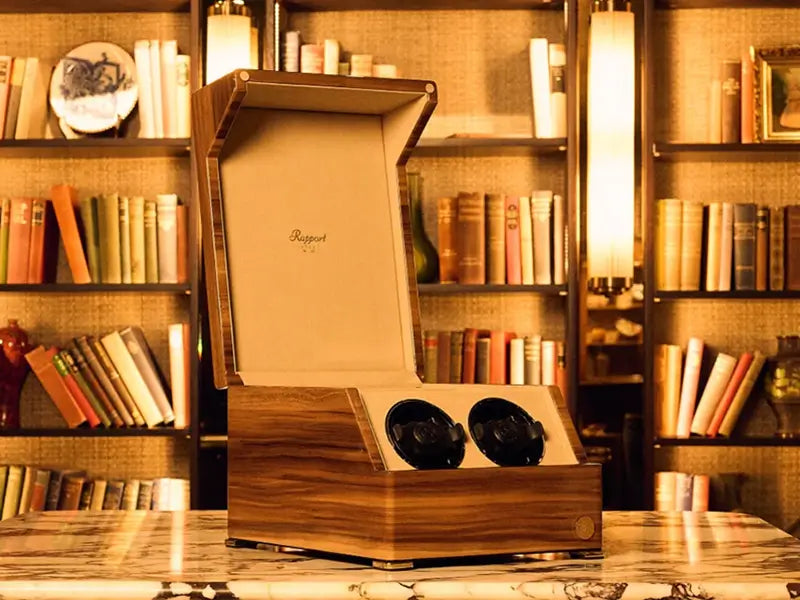
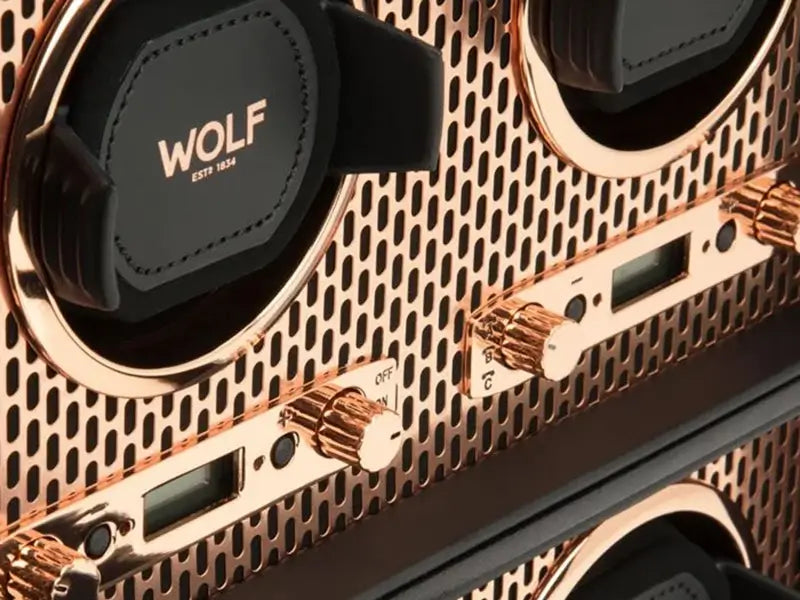
A watch winder is a motorized case that gently rotates an automatic watch to keep its mainspring wound while it isn’t on your wrist. By mimicking the motion of wearing it, a winder keeps the watch running at the right time and ready to wear, so you don’t have to reset the time and date each time you pick it up. Many winders also double as elegant display and storage boxes, in styles ranging from a single-watch case to multi-watch cabinets, which makes them a popular accessory for anyone with a growing automatic watch collection.

History of Watch Winders

The watch winder exists because of the automatic watch. The idea of a self-winding watch dates to the late eighteenth century, when Swiss watchmaker Abraham-Louis Perrelet created a pocket watch that wound itself from the motion of its wearer, and Abraham-Louis Breguet soon developed his own versions. For many years, though, the technology remained a curiosity rather than a standard.

The self-winding wristwatch arrived in the 1920s, when English watchmaker John Harwood patented a design with a weight that swung back and forth with wrist movement, and it went on sale in the late 1920s. In 1931, Rolex introduced its Perpetual rotor, a weight that rotates a full 360 degrees and winds the watch in either direction. That system became the model for most automatic watches ever since. Because an automatic watch stops once it has been off the wrist long enough, an owner who wanted to keep one running needed a way to simulate the wrist’s movement, and the watch winder followed.

Accounts of the first winders vary, but they are commonly tied to Harwood and to the early days of self-winding wristwatches, when they served as a way to demonstrate that a watch could wind itself. Early winders were bulky, mechanical devices, much like a small display box with a rotating cradle. Through the late twentieth century, as mechanical watches regained their appeal, winders became a common accessory and evolved into the quiet, programmable, well-finished cases collectors use today.

Watch Winders FAQ

What is a watch winder?

A watch winder is a motorized holder that rotates an automatic watch to keep its mainspring wound while the watch isn't being worn. It mimics the motion of the wrist, so the watch keeps running and holds the correct time and date. Winders come in single-watch and multi-watch styles and often double as display and storage cases.

How does a watch winder work?

A small motor slowly rotates a cushion or cradle that holds the watch. The rotation moves the watch's internal rotor, which winds the mainspring in the same way wrist movement does. Most winders run in cycles of rotation followed by rest periods, and many let you adjust the direction and the number of turns per day to match your watch's needs.

Do I need a watch winder?

It depends on how you use your watches. If you wear an automatic watch every day, you don't need one. A winder is most useful if you rotate between several watches, own a watch with a complication like a perpetual calendar or moon phase, or simply want your watch to be ready to wear without resetting it.

What types of watches need a watch winder?

Only automatic, or self-winding, watches benefit from a winder. Quartz watches run on batteries and hand-wound manual watches have no rotor, so a winder does nothing for them. Watches with complex calendar functions, such as perpetual calendars and moon phases, are the most common candidates, since they are time-consuming to reset.

Can a watch winder damage my watch?

A quality winder used correctly will not damage a modern automatic watch. Automatic movements include a slipping mechanism that prevents overwinding, so the mainspring cannot be overstressed. The main considerations are choosing a winder with adjustable settings and avoiding a poorly made unit that runs too many turns or produces vibration.

Can a watch winder overwind my watch?

No. Automatic watches are designed so that once the mainspring is fully wound, a slipping clutch prevents further tension from building. A winder simply keeps the spring topped off, so an automatic watch can safely stay in a winder for extended periods.

How many turns per day should a watch winder have?

The right setting varies by watch. Manufacturers specify the number of turns per day their movements need to stay fully wound, and it is best to check your watch's manual or ask the brand. Many winders offer several settings, so you can match the winding to your watch rather than guess.

Which direction should my watch winder rotate?

Some automatic movements wind in only one direction, while others wind in both. The winding direction is set by the watch's design, so check the manufacturer's guide. Most winders offer clockwise, counterclockwise, and bidirectional settings, with bidirectional being a safe default for movements that wind both ways.

Can I leave my watch in a watch winder all the time?

Yes. A winder that runs in a regular cycle of rotation and rest is designed to keep a watch ready for continuous storage. Keep in mind that the watch is running while it is in the winder, so it will wear in the same way as a watch on your wrist and will need servicing on the normal schedule.

Can a watch winder magnetize my watch?

Winders use a small electric motor, which can produce a magnetic field. Well-made winders are designed to minimize this, and many modern watches have antimagnetic features. If you own a vintage or sensitive watch, it is worth choosing a quality winder and asking whether it is magnetically shielded.

What should I look for when buying a watch winder?

Look for quiet, reliable operation, adjustable turns-per-day and direction settings, and a cushion or holder that fits your watch securely without squeezing it. Consider the number of watches you want to hold, the power source (plug-in or battery), and the finish and style that suit your space. A winder with a lock or a built-in safe is a useful bonus if it will hold valuable pieces.