
Dive Watches

Dive Watches

Dive Watches

Dive Watches

Is an authorized Retailer for all brands
 featured in the Dive Watches collection

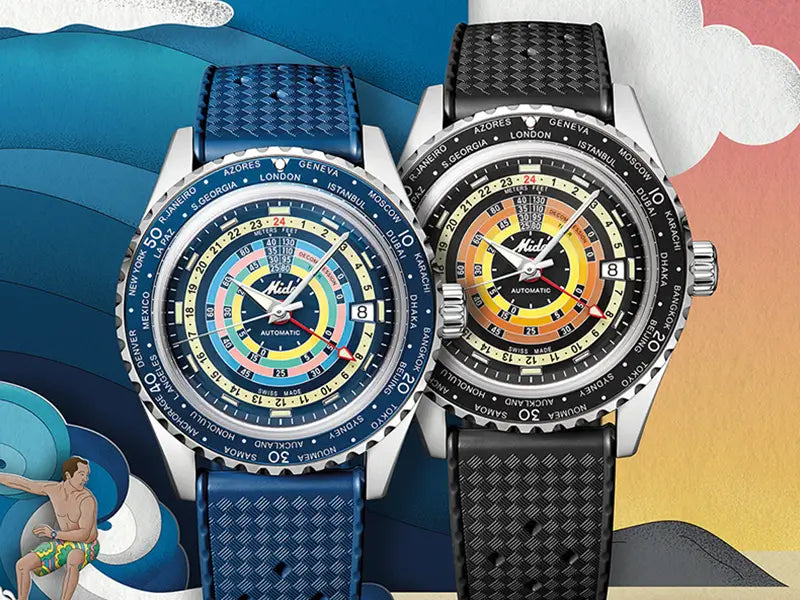
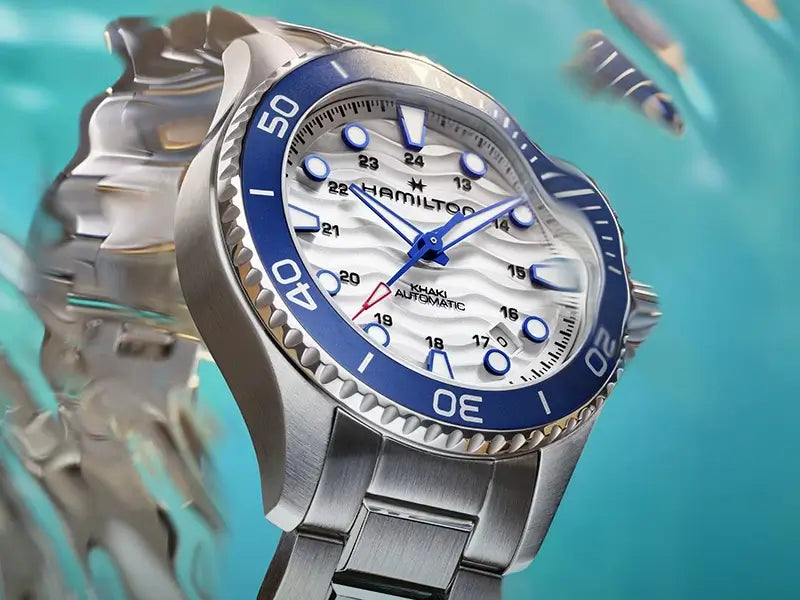
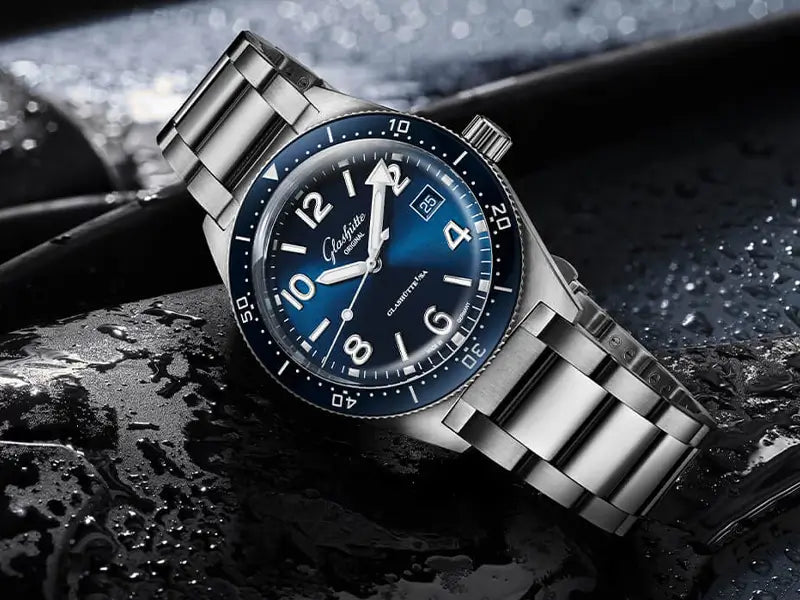
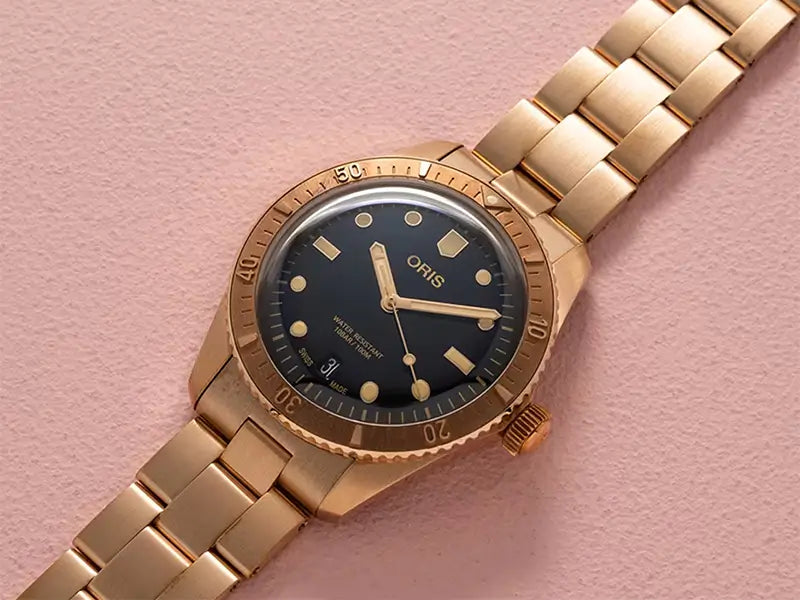
A dive watch is a watch built to be read and relied on underwater. It combines a highly water-resistant case with a rotating bezel for timing a dive, a bold, legible dial with strong luminous markings, and a secure crown and strap. Born as a professional tool, it has become one of the most popular watch categories in the world, equally at home on a boat, at the office, or on the beach.

History of Dive Watches

The story of the dive watch begins with the waterproof case. In 1926, Rolex introduced its Oyster case, a sealed design with a screw-down crown that proved a watch could survive immersion. Through the 1930s, makers like Omega and Panerai pushed the idea further, with Omega offering one of the first commercially available water-resistant watches built for divers and Panerai supplying the Italian Navy’s frogmen with large, highly luminous timepieces.

The modern dive watch arrived in the early 1950s. In 1953, Blancpain introduced the Fifty Fathoms, developed with input from French Navy combat swimmers, and Rolex launched the Submariner the same year. Together they established the formula that still defines the category: a rotating bezel to track elapsed dive time, a clear, high-contrast dial, and a robust, water-resistant case. Brands like Zodiac were developing similar ideas in parallel, and the following decade saw a wave of new designs, including Seiko’s first dive watch in 1965 and Doxa’s orange-dialed Sub, built for legibility in dim water. In 1967, Rolex’s Sea-Dweller added a helium escape valve for saturation divers.

The quartz revolution of the 1970s and the arrival of dive computers shifted the watch’s role from primary instrument to trusted backup, while an international standard, ISO 6425, set minimum requirements for what could be called a diver’s watch. Today, dive watches are valued as much for their rugged, versatile style as for their function, and they remain one of the most widely collected categories in watchmaking.

Dive Watches FAQ

What makes a watch a dive watch?

A true dive watch combines a high level of water resistance with a unidirectional rotating bezel, a highly legible dial with luminous hands and markers, and a secure screw-down crown. Watches that meet the ISO 6425 standard are marked “Diver’s,” meaning they have passed specific tests for water resistance, legibility, and reliability in water.

What does a water resistance rating actually mean?

Ratings are given in meters or bar and reflect laboratory pressure testing, not a depth you should take the watch to in real life. Movement and pressure from swimming or diving add stress beyond static testing, so a dive watch with a higher rating than you need offers a helpful safety margin.

Why does the bezel only turn one way?

The unidirectional bezel is a safety feature. If it gets bumped accidentally, it can only shift in the direction that shows more time elapsed than has actually passed, which makes the diver surface earlier rather than later.

Why is a screw-down crown important?

The crown is the most vulnerable opening in a watch case. Screwing it down compresses a gasket against the case and creates a watertight seal. It should always be fully screwed in before the watch goes into water.

What is a helium escape valve?

It is a small valve found on some professional dive watches, designed for saturation divers who spend long periods in helium-rich chambers. It lets built-up gas escape during decompression so the crystal doesn’t pop off. Most recreational divers never need one.

What are Hamilton's most popular watch collections?

Hamilton's most popular collections include the Khaki Field, Khaki Aviation, Khaki Navy, Jazzmaster, Ventura, and American Classic. Each collection offers a unique blend of Swiss engineering and distinctive design inspired by military, aviation, and American heritage.

Can I wear a dive watch every day?

Yes. Dive watches are built to be tough, easy to read, and resistant to water, shock, and daily wear, which is why so many people choose them as a first or everyday watch. Their versatile styling makes them easy to wear with anything from a wetsuit to a suit.

Do dive watches need to be serviced?

Yes. The gaskets that keep the case watertight can wear down over time, so it’s wise to have water resistance checked regularly, and always after a battery change or any time the case is opened. A watch that is used in water often needs attention more frequently.

Do divers still use dive watches with dive computers?

Many do. A dive computer is the primary instrument for tracking depth and decompression, but a dive watch remains a dependable analog backup that keeps working if a battery dies or a screen fails.