
Essentials

Essentials
Central Time Zone Text Logo

is an authorized Seiko retailer

Essentials

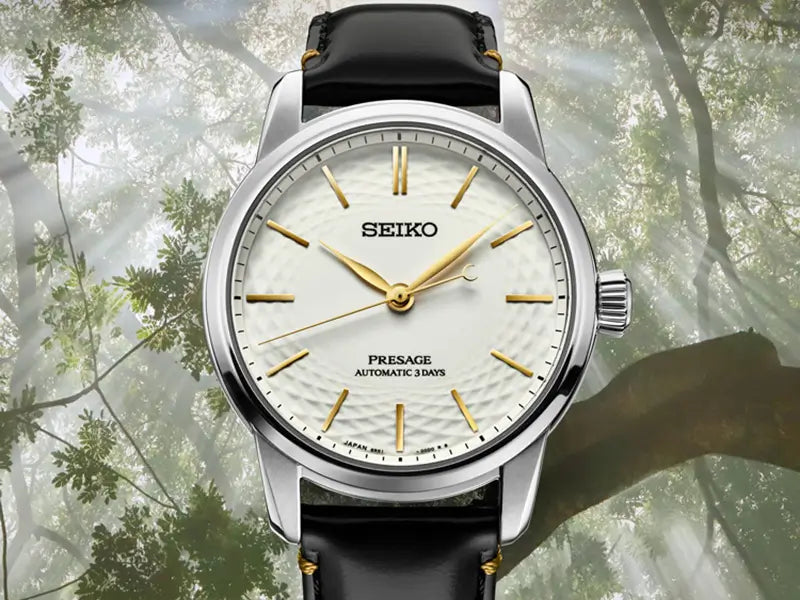
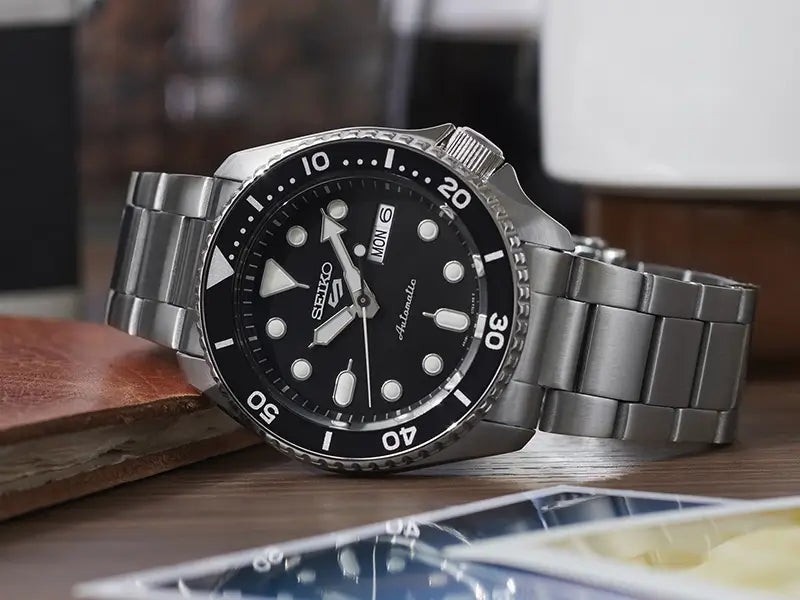
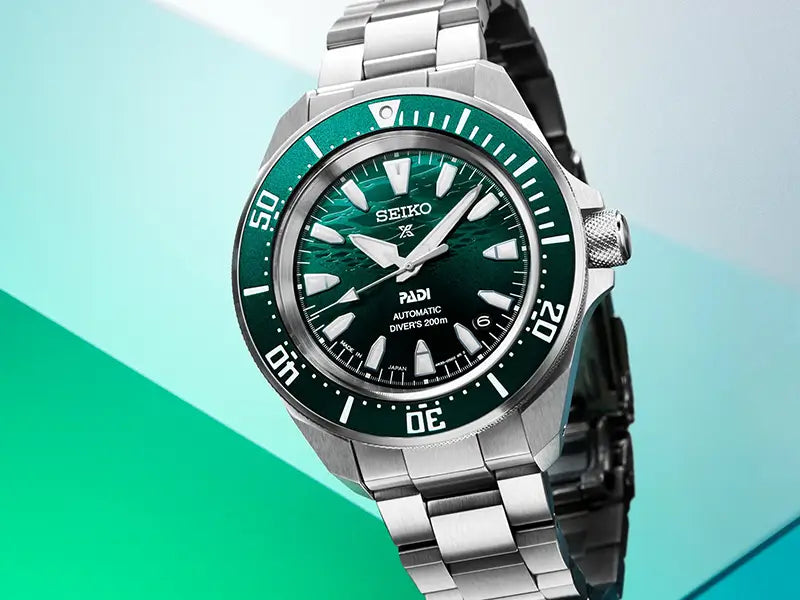
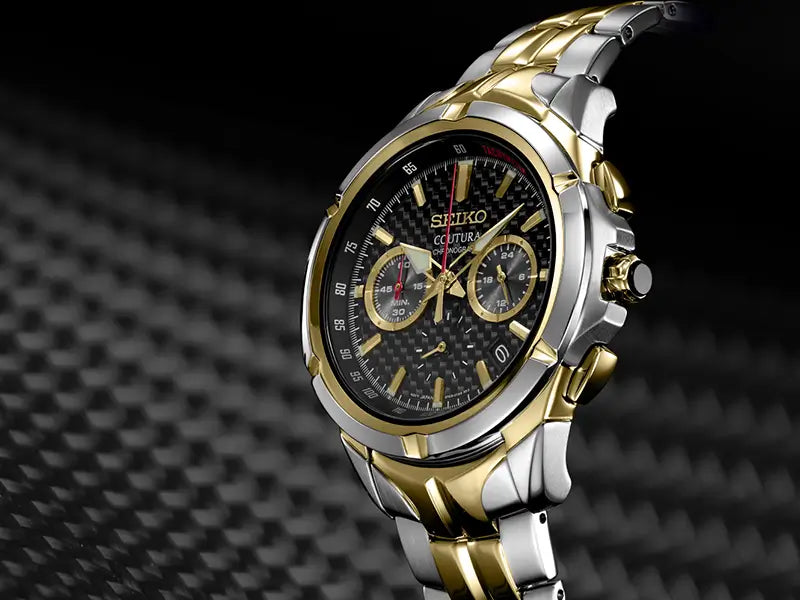
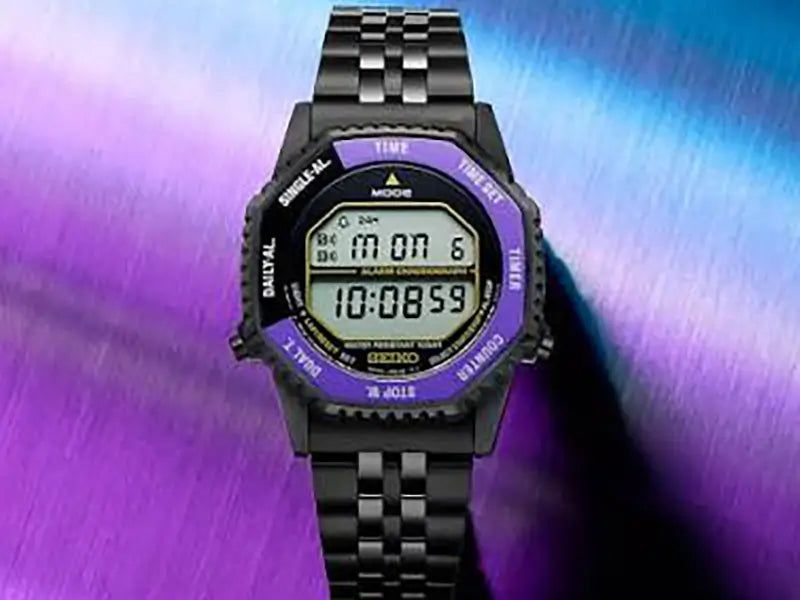
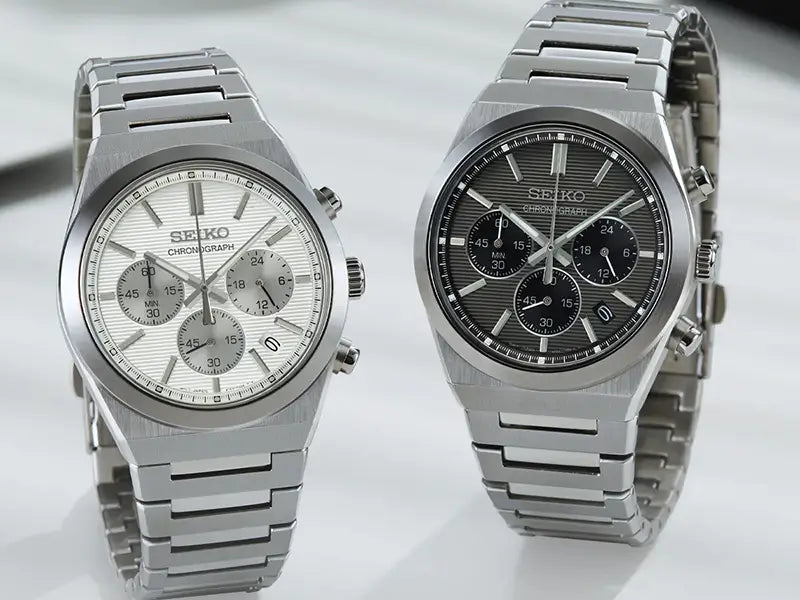
Essentials lives up to its name, offering Seiko's simplest, most versatile everyday watches for anyone who wants reliable timekeeping without unnecessary complexity. Reliable quartz movements power the collection, paired with stainless steel construction, scratch resistant crystals, and water resistance suited to daily wear, typically 30 to 100 meters depending on the model. Dial designs range from clean classic layouts with Roman numerals and jewelry inspired touches to sportier options with LumiBrite hands and chronograph functions for a bit more energy on the wrist. Available in both men's and women's sizing across leather, fabric, and stainless steel bracelets, Essentials fills the gap between Seiko's more specialized collections, delivering genuine Japanese craftsmanship at some of the most accessible price points in the entire catalog.

Seiko History

The Seiko story began in 1881, when 21-year-old Kintaro Hattori opened a shop selling and repairing watches and clocks in Tokyo’s Ginza district. In 1892, he founded a factory called Seikosha, “house of precision,” whose name drew on the Japanese word “seiko,” meaning exquisite or precise, and also success. In 1913, the company produced Japan’s first wristwatch, the Laurel, in a determined effort to stay ahead of the rest, and in 1924, the Seiko name first appeared on a watch.

The postwar decades brought a string of innovations. Seiko timed the 1964 Tokyo Olympics, introduced its first dive watch in 1965, and in 1968 launched Seiko 5 Sports, which has become the brand’s best-known everyday line. In 1969, the 6139 Speedtimer became the world’s first automatic chronograph with both a vertical clutch and a column wheel, and on December 25 of that year, Seiko released the Quartz Astron, the world’s first quartz wristwatch, a shock to the watch industry. In 1999, it introduced Spring Drive, a watch movement unlike any other, driven by a mainspring and regulated by a quartz crystal.

Today, Seiko is still family-controlled and global. Prospex carries the diving and exploration heritage, Presage the craft of enamel, urushi lacquer, and porcelain, and Astron the solar and GPS technology that descends from the 1969 original. In 2026, Seiko marked its 145th anniversary with limited editions across its collections, including a Prospex Speedtimer, a Presage, and an Astron, all with gold accents, continuing the spirit of Kintaro Hattori’s founding idea.

Warranty Info

[Applicable to retail purchases made from 7/1/24]
Seiko warrants that if your Seiko watch proves upon presentation by you to be defective in material or workmanship at any time during the Warranty Period, “Seiko” will adjust or repair your Seiko watch, including replacement parts of the movement, case, metal band, without charge, provided that the watch was used as indicated in the instruction manual. Notwithstanding anything to the contrary contained herein, you shall be responsible for any and all postage, insurance and shipping costs incurred in sending the watch to the SWA Service Center or any other Service Center listed in the International Service Network. “Seiko” hereby reserves the right to make substitutions of equal value and similar appearance.

Seiko Essentials FAQ

What is Seiko?

Seiko is a Japanese watch brand founded in 1881 by Kintaro Hattori in Tokyo. It makes mechanical, solar, and quartz watches, including the Seiko 5 Sports, Prospex, Presage, and Astron collections, and it is known for innovations such as the first quartz wristwatch and the Spring Drive movement.

Who founded Seiko?

Seiko was founded by Kintaro Hattori, who opened a shop selling and repairing watches and clocks in Tokyo's Ginza district in 1881, when he was in his early twenties. In 1892, he founded the Seikosha factory, and the Hattori family still has an important role in the company.

What does the name Seiko mean?

In Japanese, "seiko" can mean exquisite, minute, or precise, and it is also pronounced the same as a word for success. Hattori used it for his Seikosha factory, "house of precision," and the Seiko name first appeared on a watch in 1924.

Is Seiko a Japanese brand?

Yes. Seiko is a Japanese company headquartered in Tokyo. Its watches are designed and developed in Japan, and many are made in Japan, though some models are made at Seiko facilities in other countries, so check the specific watch if origin matters.

What was Seiko's first wristwatch?

The Laurel, introduced in 1913, was Japan's first wristwatch. Hattori anticipated a shift away from pocket watches and set out to make one, and the Laurel became the beginning of the brand's tradition of innovation.

What is the Seiko Quartz Astron?

The Quartz Astron, released on December 25, 1969, was the world's first quartz wristwatch. It changed the watch industry by offering accuracy far beyond mechanical watches, and today's Astron collection carries the name forward with GPS Solar technology that adjusts the time and time zone.